
If you have ever applied for a loan, a credit card, or even an apartment, you have probably wondered: why is it better to have a high credit score than a low one?
The answer touches almost every part of your financial life. A high credit score can save you thousands of dollars over time. A low score can quietly cost you money and opportunities without you even realizing it.
In this post, we will break down exactly how your credit score affects your daily life. We will also look at simple ways to build a stronger score over time.
What Is a Credit Score, Exactly?
A credit score is a three-digit number that shows how well you manage borrowed money. It usually ranges from 300 to 850.
The higher your number, the more trust lenders place in you. This trust translates into real, measurable benefits.
Your credit score is built from a few key habits. These include paying bills on time, keeping your debt low, and having a long history of responsible borrowing.
Why Is It Better to Have a High Credit Score Than a Low One?
1. You Pay Lower Interest Rates
This is the biggest reason a high credit score matters. Lenders use your credit score to decide how risky it is to lend you money.
A high credit score tells lenders you are a safe bet. In return, they offer you lower interest rates on loans and credit cards.
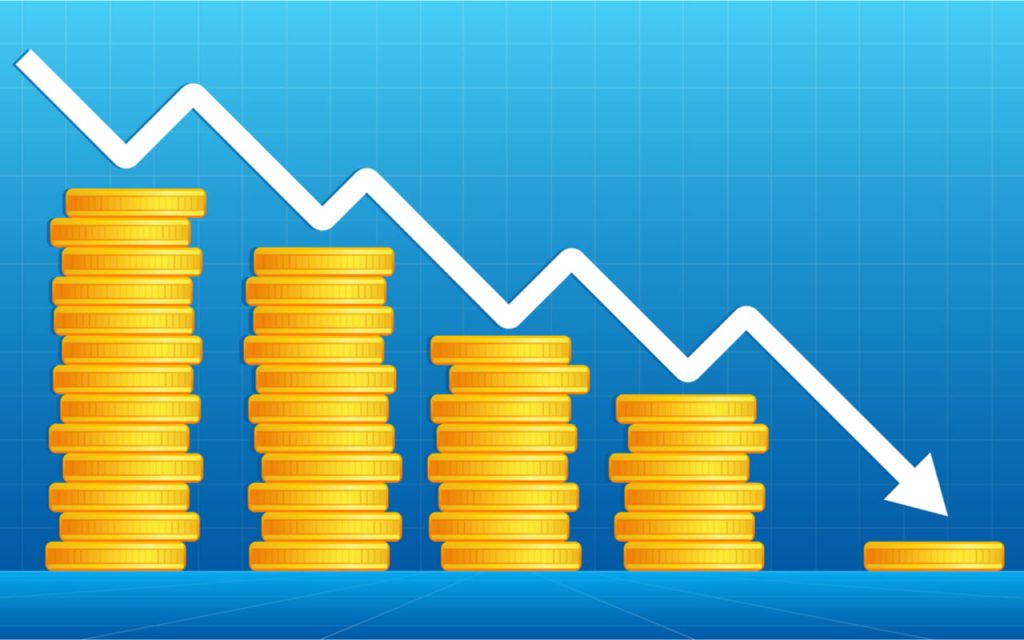
A low credit score signals more risk. Lenders protect themselves by charging higher interest rates to make up for that risk.
Over the life of a loan, this difference adds up fast. A few percentage points on a mortgage can mean tens of thousands of dollars in extra payments.
2. You Get Approved More Often
A high credit score does not just get you better rates. It also gets you approved in the first place.
Lenders, landlords, and even some employers check credit scores before saying yes. A strong score makes that approval process smoother and faster.
A low score, on the other hand, can lead to denials. This is true even if your income is high enough to afford the payments.
Getting approved matters just as much as getting a good deal. Without approval, the rate does not even come into play.
3. You Save Money on Insurance
Many people do not realize that credit scores affect insurance costs too. In many U.S. states, insurance companies use a version of your credit score to help set premiums.
Drivers with higher credit scores often pay less for car insurance. This is because statistics show they file fewer claims.

Homeowners insurance can work the same way. A stronger score can mean lower monthly premiums for the exact same coverage.
This connection between credit and insurance surprises many people. It is one more hidden way a good score puts money back in your pocket.
4. You Have More Negotiating Power
A high credit score also gives you leverage. When lenders compete for your business, you gain the upper hand.
You can shop around and ask multiple lenders for their best offer. Because your score is strong, they are more willing to negotiate.
With a low score, your options shrink. You may have to accept whatever terms are offered, since fewer lenders want to take a chance on you.
This extra power adds flexibility to major financial decisions. That flexibility can be priceless when timing matters, like buying a home.
Also Read: Why is My Credit Score Going Down When I Pay on Time
5. You Skip Extra Deposits and Fees
Utility companies, cell phone carriers, and landlords often check credit before service starts. A low score can trigger extra costs right away.
You might be asked for a large security deposit on an apartment. You could also face a deposit just to get electricity or internet turned on.

A high credit score usually skips these extra steps entirely. Companies trust that you will pay your bill, so they waive the deposit.
These small savings might seem minor at first. But added together, they free up real cash for other priorities.
6. You Qualify for Better Credit Cards
Credit card companies save their best offers for people with strong scores. This includes cards with cash back, travel points, and low interest rates.
A high score opens the door to these premium rewards cards. You get more value every time you swipe.
A low score usually limits you to basic cards. These often come with high fees and few, if any, rewards.
Choosing the right card becomes much easier once your score improves. Better options simply become available to you.
7. You Build Long-Term Financial Freedom
Perhaps the biggest benefit of a high credit score is peace of mind. It gives you more control over your financial future.

You can move quickly when opportunities arise, like buying a home or starting a business. Financing is easier to secure when your score is strong.
A low score can trap you in a cycle. High interest rates lead to bigger payments, which make it harder to pay off debt and improve your score.
Breaking that cycle takes time, but a high score prevents it from forming in the first place.
How Credit Scores Are Calculated?
Understanding what shapes your credit score helps you improve it. Most scoring models look at five main factors.
Payment history matters most. Paying bills on time, every time, has the biggest impact on your score.
Credit utilization comes next. This measures how much of your available credit you are actually using.
Length of credit history also counts. Older accounts, kept open and in good standing, help build a stronger score.
Credit mix plays a smaller role. Having different types of credit, like a car loan and a credit card, can help.
New credit inquiries matter too. Applying for too much credit in a short time can lower your score temporarily.
5 Simple Ways to Improve Your Credit Score
Improving your credit score does not require drastic changes. Small, consistent habits make the biggest difference over time.
Pay every bill on time. Set up automatic payments if you tend to forget due dates.
Keep your balances low. Try to use less than 30 percent of your available credit limit at any time.
Avoid closing old accounts. Older accounts help your credit history look longer and more stable.
Limit new credit applications. Only apply for credit when you truly need it.
Check your credit report regularly. Look for errors and dispute anything that seems incorrect.
These steps take patience, but they work. Most people see noticeable improvement within six months to a year.
The Real Cost of a Low Credit Score
It helps to see the numbers side by side. Imagine two people borrowing the same $300,000 mortgage.
The person with a high score might get a 6 percent interest rate. The person with a low score might get 8 percent instead.
Over a 30-year loan, that 2 percent difference can add up to more than $140,000 in extra interest. That is money spent for no extra benefit at all.
This example shows why the question “why is it better to have a high credit score than a low one” is not just theoretical. It has a real dollar value attached to it.