
Does medical debt affect your credit score?
Yes, it can. But not as easily as most people think.
Rule changes over the past few years have made medical debt one of the most forgiving types of debt on your credit report.
This guide will break down exactly what counts, what doesn’t, and what changed in 2026 that most blogs online haven’t caught up to yet.
Why Medical Debt Gets Special Treatment?
Medical bills are different from other debts. You didn’t choose to get sick or injured.
You also can’t shop around for the best price in an emergency room. That’s why regulators and credit bureaus treat medical debt more gently than credit card or loan debt.
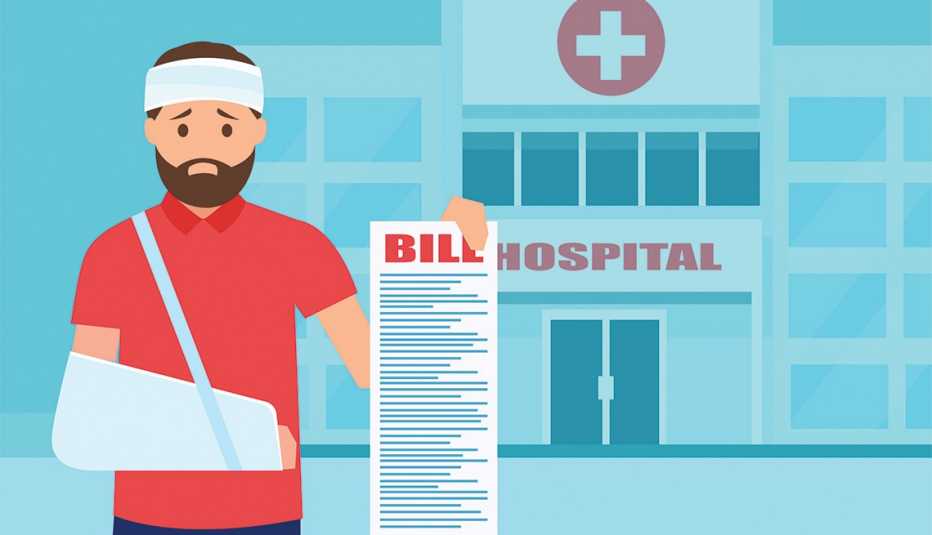
Billing errors are common too. A large share of hospital bills contain mistakes, duplicate charges, or incorrect insurance codes.
That means some “debt” isn’t even valid debt.
How a Medical Bill Actually Reaches Your Credit Report
Your doctor or hospital never reports your bill straight to Equifax, Experian, or TransUnion. That step only happens after your account goes to collections.
Here’s the real timeline. You get a bill, and if it goes unpaid, it becomes delinquent, usually within 60 to 120 days.
The provider then sells or assigns the debt to a collection agency. Only the collection agency reports it to the credit bureaus, not the hospital.
Even then, the three major bureaus give you a full 365-day grace period from the delinquency date before the account can appear on your report.
That’s a full year to sort things out with insurance or negotiate a payment plan.
Also Read: What Factor Has the Biggest Impact on a Credit Score
The Three Rules That Protect You Right Now
In 2022 and 2023, Equifax, Experian, and TransUnion made voluntary changes that still apply today. These are the rules that actually protect your credit score.
Rule 1: Paid medical debt disappears. Once you pay off a medical collection account, the bureaus must remove it from your report entirely, not just mark it “paid.”
Rule 2: Debt under $500 doesn’t count. Unpaid medical collections below $500 are excluded from credit reports, no matter how long they’ve been unpaid.
Rule 3: You get a one-year grace period. New medical debt cannot appear on your report until 365 days after the delinquency date.
If your debt doesn’t clear any of these three hurdles, it can still show up and hurt your score. That mainly means unpaid balances over $500 that are more than a year old.
What Happened to the Federal Ban on Medical Debt?

You may have read that the government banned medical debt from credit reports entirely. That story is only half true, and it’s important to get this part right.
In January 2025, the Consumer Financial Protection Bureau finalized a rule to remove all medical debt from credit reports used by lenders. It was a sweeping change that would have gone further than the bureaus’ own policies.
But the rule never survived. On July 11, 2025, a federal court in Texas vacated the rule, ruling that the CFPB had exceeded its legal authority.
As of today, the federal rule has no legal force. Medical debt over $500 and older than a year can still legally appear on your credit report under federal law.
The real protections that remain come from two places: the voluntary bureau policies described above, and state-level laws, which we’ll cover next.
Does Your U.S. State Offer Extra Protection?
Even though the federal rule failed, several states passed their own laws restricting medical debt on credit reports.
If you live in one of these U.S. states, you may have stronger protection than the rest of the country.
| State | What the Law Does |
|---|---|
| California | Bars medical debt from appearing on credit reports |
| Colorado | Bars medical debt from appearing on credit reports |
| Connecticut | Bars medical debt from appearing on credit reports |
| Delaware | Bars medical debt from appearing on credit reports |
| Illinois | Bars medical debt from appearing on credit reports |
| Maine | Bars medical debt from appearing on credit reports |
| Maryland | Restricts medical debt reporting and use in lending decisions |
| Minnesota | Bars medical debt from appearing on credit reports |
| New Jersey | Bars medical debt from appearing on credit reports |
| New York | Bars medical debt from appearing on credit reports |
| Oregon | Bars medical debt from appearing on credit reports |
| Rhode Island | Bars medical debt from appearing on credit reports |
| Vermont | Bars medical debt from appearing on credit reports |
| Virginia | Restricts medical debt reporting and use in lending decisions |
| Washington | Bars medical debt from appearing on credit reports |
These laws generally work in one of three ways. Some stop credit bureaus from listing medical debt at all.
Others stop hospitals and collection agencies from reporting the debt in the first place. And some simply stop lenders from using medical debt information when they decide whether to approve you for credit.
If you live outside these 15 states, the federal voluntary rules from the bureaus are your main line of defense.
Does the Size of the Debt Really Matter That Much?
Yes, the dollar amount is one of the biggest factors in whether medical debt touches your score at all. Here’s how it breaks down in practice.
Under $500 and unpaid: No impact. This debt is excluded from your credit report no matter how old it gets.
Over $500 and paid within 365 days: No impact. You’re inside the grace period, so nothing gets reported.
Over $500 and unpaid after 365 days: This is the debt that can actually hurt you. It’s reportable and can stay on your file for up to seven years from the delinquency date.
Over $500, unpaid, then later paid off: The account comes off your report once it’s paid, even if it had already been sitting there for a while.
Which Credit Score Matters Here?
Not all credit scores treat medical debt the same way, and this is one of the most overlooked parts of the whole topic. The scoring model your lender uses can make or break how much a medical collection actually costs you.
FICO Score 8 (still widely used for mortgages and many loans) treats unpaid medical collections like most other collection accounts, meaning they can meaningfully lower your score.
FICO Score 9 and FICO Score 10 exclude medical collections from the calculation almost entirely. A large unpaid medical bill under these models can have close to zero effect on your score.
VantageScore 4.0 also excludes medical collections completely, similar to the newer FICO models.
Here’s the catch. You rarely get to choose which score a lender pulls.
A mortgage lender might use an older FICO model where medical debt still counts. A credit card company might use a newer model where it doesn’t matter at all.
Because you can’t control this, the safest move is always to keep medical debt from reaching collections in the first place.
Turning Medical Debt Into a Bigger Problem

Some people try to pay off medical bills with a credit card or a medical financing card to stop the bill from going to collections. This can backfire in a way people don’t expect.
Once medical debt becomes credit card debt, it loses its special protections. There’s no more 365-day grace period, and a single late payment can be reported in as little as 30 days.
Medical credit cards often carry deferred interest promotions too. If you don’t pay the full balance before the promo period ends, you can get hit with interest charged retroactively from the original purchase date.
Only use these tools if you’re confident you can pay off the full balance before the promotional window closes.
A Step-by-Step Plan to Protect Your Credit Score
You have more control over this than it might seem. Here’s a practical order of operations.
Step 1: Check the bill for errors first. Compare it against your insurance company’s explanation of benefits before you pay anything. Billing mistakes are common, and disputing an error can eliminate the debt entirely.
Step 2: Contact the provider before the bill ages. Ask about interest-free payment plans or financial assistance programs. Most hospitals have these, and many people never ask.
Step 3: Negotiate the balance. Providers often accept a smaller lump-sum payment rather than risk getting nothing. This works especially well if you don’t have insurance.
Step 4: Consider a medical billing advocate for large bills. These professionals negotiate directly with hospitals and insurers on your behalf. Their fee is usually worth it for bills in the thousands of dollars.
Step 5: Track the 365-day clock. Mark the delinquency date on your calendar. You have a full year to resolve the bill before it can touch your credit report.
Step 6: Pay off any existing medical collections. Since paid medical collections must be removed from your report, this is one of the fastest ways to clean up your credit file.
Step 7: Pull your credit reports and check them. You can get a free report from all three bureaus at AnnualCreditReport.com. Confirm that paid or small-dollar medical debts have actually been removed.
What to Do If a Medical Collection Is Already Hurting You?
If a medical collection is already sitting on your report, don’t assume you’re stuck with it. Start by checking whether it should even be there.
If the balance is under $500, it should not be listed at all. File a dispute with the credit bureau reporting it.
If the debt is less than a year old, that also violates the standard grace period. This is another valid reason to dispute it.
If you’ve already paid it off, confirm it was actually deleted, not just marked as “paid” while still showing on your file. Bureaus sometimes fail to remove accounts correctly, and a dispute can fix this.
If none of those apply, focus on paying it down as fast as possible. Once it’s paid, it comes off your report, and your score can start recovering right away.
Frequently Asked Questions (FAQs)
Does medical debt affect your credit score immediately?
No. Bureaus give you a 365-day grace period from the delinquency date before a medical bill can appear on your report.
Is medical debt banned from credit reports in 2026?
No. A federal rule that would have banned it was struck down by a court in July 2025. Only voluntary bureau policies and select state laws offer protection now.
Does paying off a medical collection remove it from my report?
Yes. Bureaus are required to delete paid medical collection accounts rather than simply marking them as paid.
Do all lenders ignore medical debt when checking my credit score?
No. It depends on the scoring model. FICO 9, FICO 10, and VantageScore 4.0 largely ignore medical collections, but FICO 8 still counts them.
How long can unpaid medical debt stay on my credit report?
Up to seven years from the delinquency date, if it’s over $500 and remains unpaid.