
If you have ever wondered, “What factor has the biggest impact on a credit score?” the answer is simple:
Your payment history!
Lenders want to know one thing above all else. Do you pay your bills on time?
Your credit score affects almost every part of your financial life. It decides if you get approved for a loan, a credit card, or even an apartment.
In this guide, we will discuss what factor affects your credit score the most. Moreover, we will discuss how you can protect your payment history to increase your credit score.
Why Payment History Has the Biggest Impact on Your Credit Score?
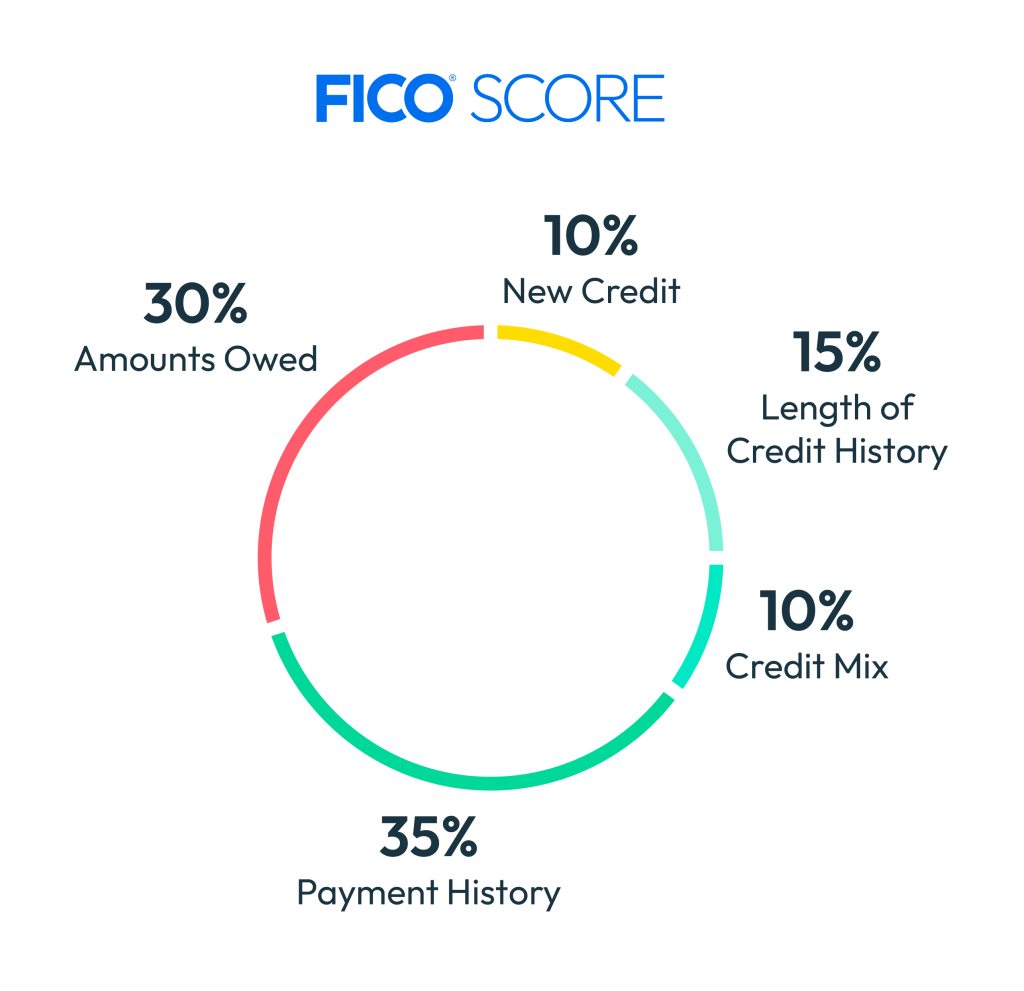
Payment history makes up 35% of your FICO score. That is more than any other single factor.
This number tracks whether you pay your bills by the due date. It includes credit cards, loans, and even some utility bills.
Lenders use this history to predict future behavior. If you paid on time before, you are likely to do it again.
A single late payment can drop your score by many points. The damage gets worse if the payment is 30, 60, or 90 days late.
Missed payments stay on your credit report for seven years. However, their negative effect fades over time if you keep paying on time.
This is why payment history carries so much weight. It is the clearest signal of financial reliability that lenders can see.
Other Factors That Impact Your Credit Score
1. Credit Utilization Ratio
This factor makes up 30% of your credit score. It measures how much credit you use compared to your total limit.
For example, if you have a $10,000 limit and a $3,000 balance, your utilization is 30%. Experts recommend keeping this number below 30% at all times.
Lower utilization signals that you are not overly dependent on credit. It shows lenders you manage your money responsibly.
High utilization, on the other hand, raises red flags. It suggests you might be stretched too thin financially.
2. Length of Credit History
This factor accounts for 15% of your score. It looks at how long you have had credit accounts open.
A longer history gives lenders more data to evaluate. This makes it easier for them to trust your financial habits.
This is why financial experts often suggest keeping old accounts open. Even if you do not use them often, they add valuable history.
Closing an old account can shorten your average credit age. That drop can lower your score more than people expect.
3. Credit Mix

Credit mix makes up 10% of your score. It reflects the variety of credit types you manage.
This includes credit cards, auto loans, mortgages, and student loans. A healthy mix shows you can handle different kinds of debt.
You do not need every type of credit to have a good score. But having more than one type can be a positive factor.
4. New Credit Inquiries
New credit accounts for the final 10% of your credit score. This tracks how often you apply for new credit.
Each hard inquiry can cause a small, temporary dip in your score. Multiple inquiries in a short time can look risky to lenders.
This does not mean you should never apply for credit. It simply means you should space out applications when possible.
Also Read: Why Is It Better to Have a High Credit Score Than a Low One
How Your Payment History Impacts Your Financial Future?
Payment history does more than just set your credit score.
It plays a major role in loan approvals and interest rates. A strong history often results in lower interest rates on loans.
Lenders see a clean payment record as proof of low risk. Lower risk usually means better terms and lower costs for you.
This can save you thousands of dollars over the life of a loan. Even a small rate difference adds up significantly over time.
On the other hand, missed payments increase perceived risk. This often leads to higher interest rates or denied applications altogether.
Some employers and landlords also check credit reports. A poor payment history could affect job offers or rental applications.
This shows why payment history reaches far beyond just loans. It touches nearly every major financial decision you make.
4 Simple Steps to Protect Your Payment History
1. Set Up Automatic Payments
Automating your bills reduces the risk of forgetting due dates. Most banks and credit card companies offer this feature for free.
This ensures your minimum payments go out every single month. It removes the chance of human error causing a missed payment.
2. Use Payment Reminders
If you prefer more control, set reminders on your phone or calendar. A quick alert a few days before your due date can help.
This gives you time to review your account and make payments. It also allows you to catch any billing errors early.
3. Build an Emergency Fund
Financial emergencies are one of the biggest causes of missed payments. Having savings set aside can help you stay on track.
Even a small emergency fund can prevent late payments during tough times. This protects your score when unexpected expenses arise.
4. Monitor Your Credit Report Regularly
Checking your credit report helps you catch errors early. Sometimes payments are reported incorrectly by mistake.
You can request a free credit report from each major bureau every year. Reviewing it regularly will help you spot problems before they grow.
If you don’t know how to do it, then get in touch with Lyn Financial Services, where we offer credit coaching to people who’re struggling with a bad credit score.
What to Do If You Already Have Missed Payments?
Mistakes happen, and one late payment does not ruin your financial future. The important thing is taking action quickly to limit the damage.
First, bring your account current as soon as possible. The longer a payment stays late, the more harmful it becomes.
Next, contact your lender to explain the situation. Some lenders offer a one-time forgiveness for a single late payment.
This is often called a “goodwill adjustment.” It is not guaranteed, but it costs nothing to ask.
Finally, focus on building a strong payment record moving forward. Consistent on-time payments gradually rebuild trust with lenders.
Over time, older missed payments carry less weight on your score. Recent positive behavior often outweighs past mistakes.